
BLANCO fence EXPERTS
When designing and constructing fences, we combine expertise, experience, craftsmanship, and close attention to detail. Our fence-building knowledge is rooted in proven construction techniques, including proper excavation and post-setting methods, precise measuring and layout practices, secure rail and picket installation, and efficient gate construction. This specialized expertise allows us to deliver durable, functional, and professionally built fences that stand the test of time.
HIRING AN INSURED FENCING CONTRACTOR
Hiring an insured fence contractor provides financial protection, peace of mind, and confidence that the contractor is accountable and committed to delivering high-quality work while following proper safety standards. Before hiring any contractor, it is recommended to request proof of insurance and verify the coverage directly with the insurance provider to ensure it is current and adequate for your project.
HIRING AN INSURED FENCING CONTRACTOR
We offer free estimates because they help you understand the cost of your project, make planning and budgeting easier, support comparison and decision-making, provide opportunities for discussion and adjustment, and help prevent unexpected expenses. Obtaining an estimate is an important step in choosing the right contractor and getting your fence project started with confidence.

MEETING BLANCO NEEDS FOR FENCING
FENCES CAN BE CONSTRUCTED USING A VARIETY OF MATERIALS, EACH WITH ITS OWN SET OF ADVANTAGES AND CHARACTERISTICS. HERE ARE SOME COMMON TYPES OF MATERIALS USED FOR FENCES:
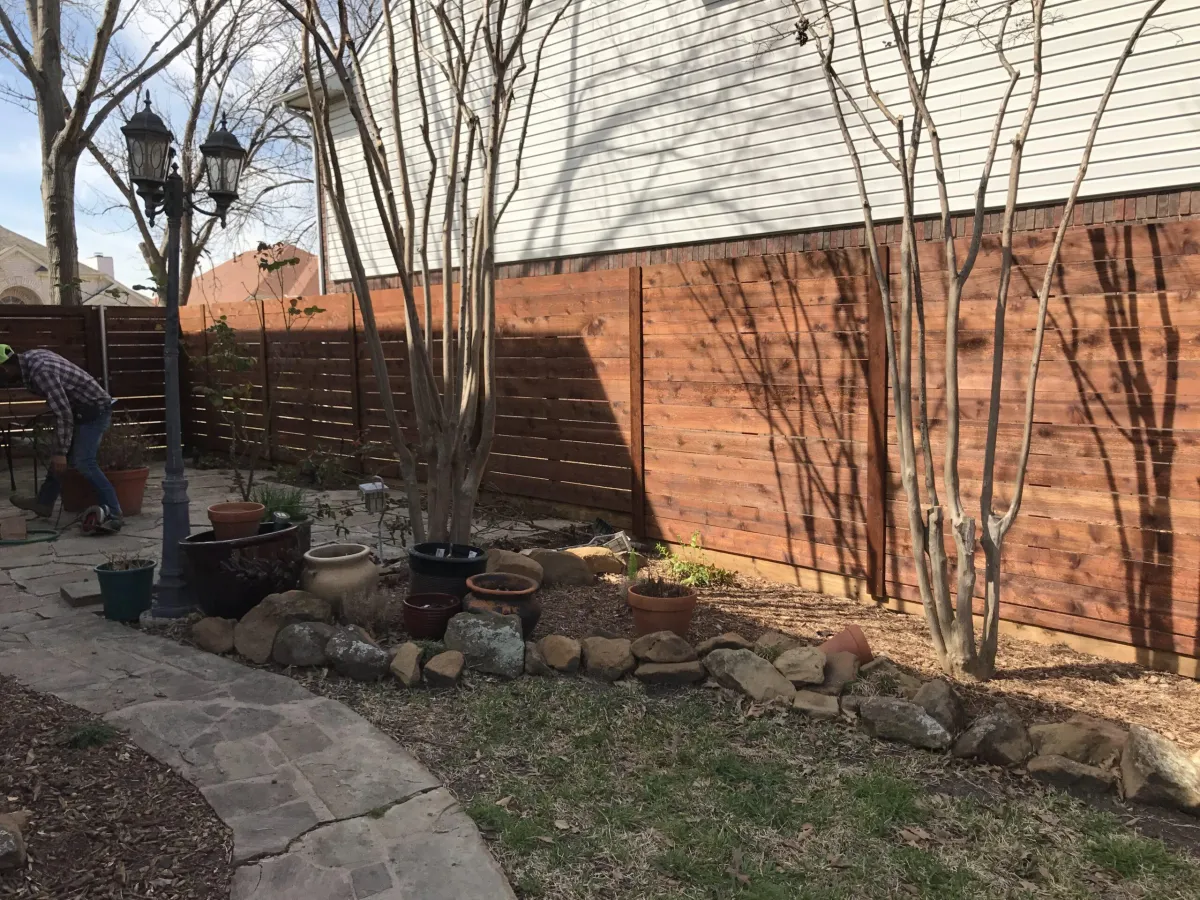
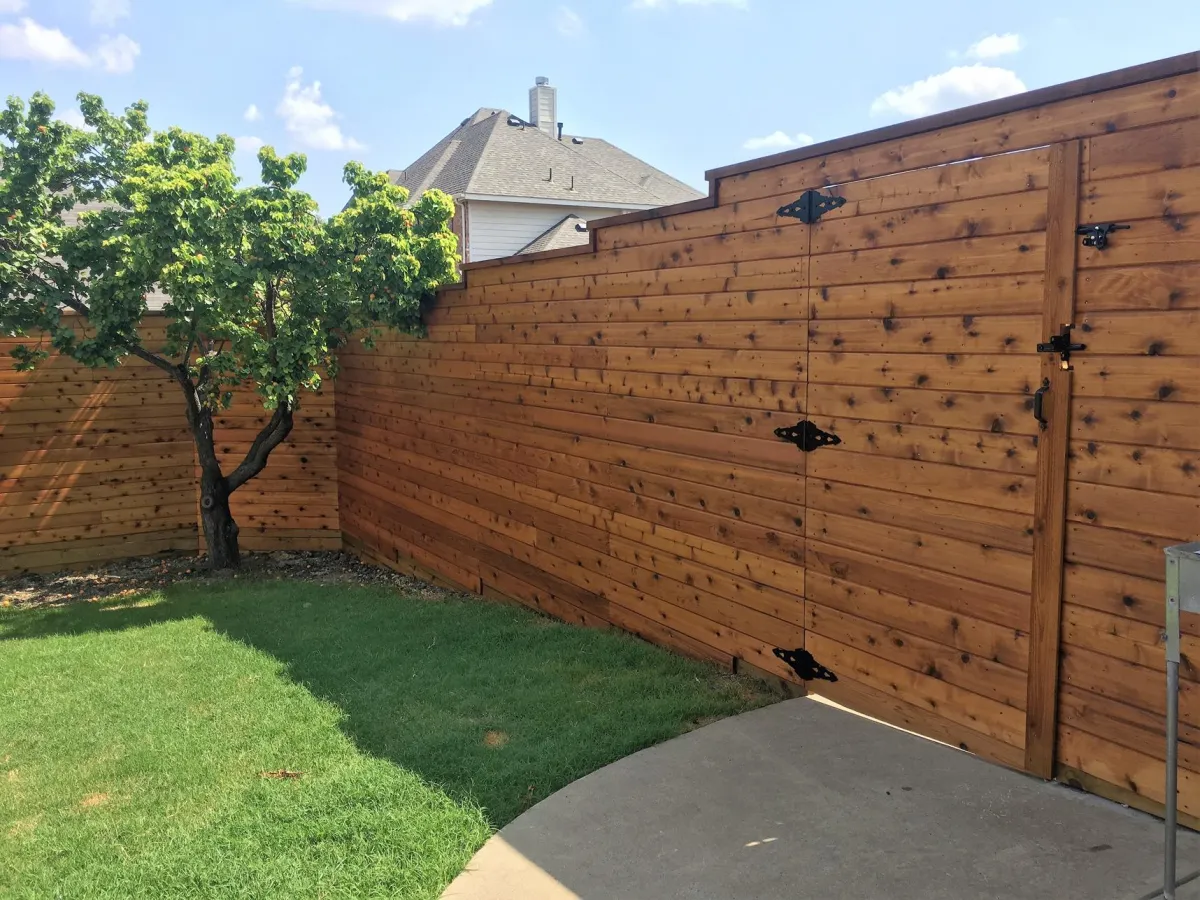
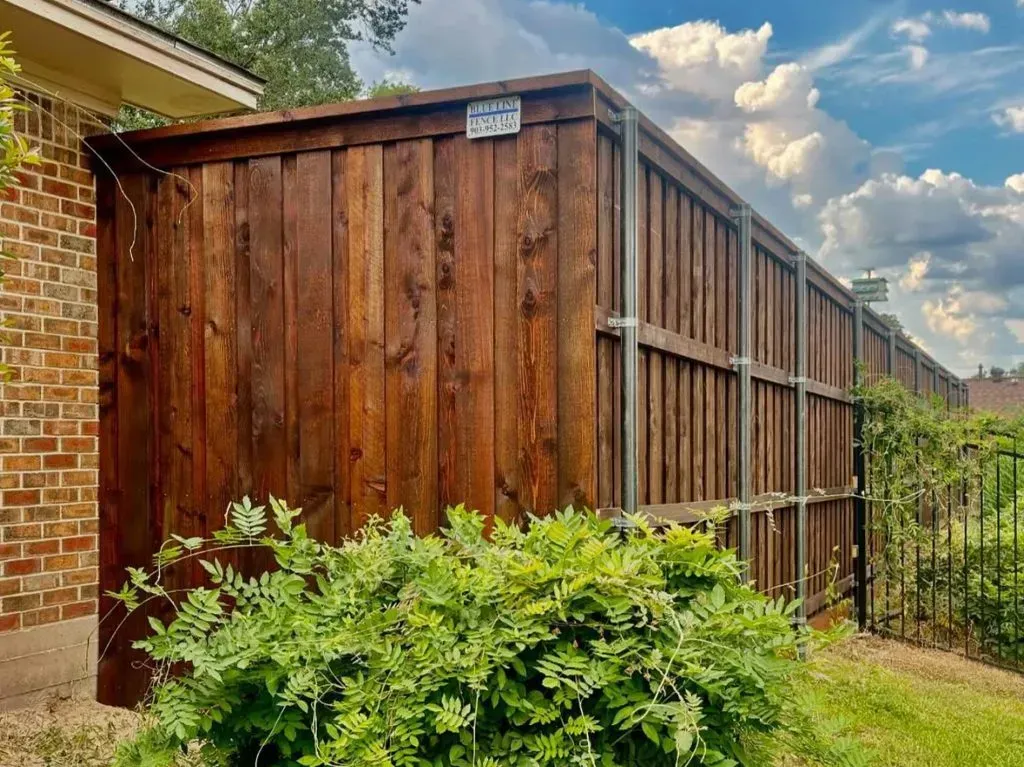
Wood is a widely used fencing material because of its natural beauty and flexibility. Popular options include cedar, redwood, pine, and spruce. Wood fences can be customized in different heights and styles, providing both privacy and security based on your needs.
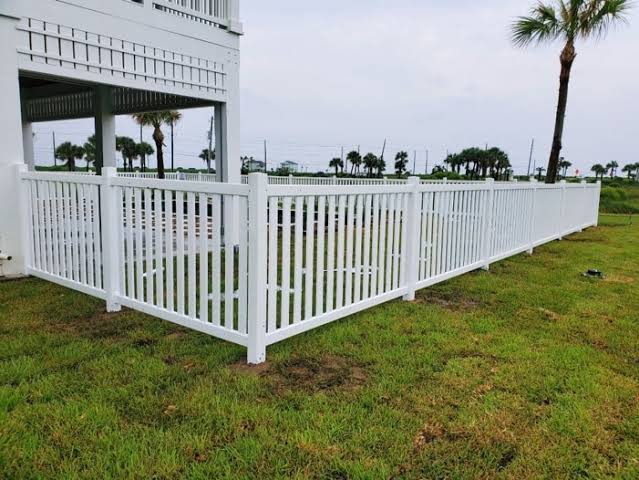
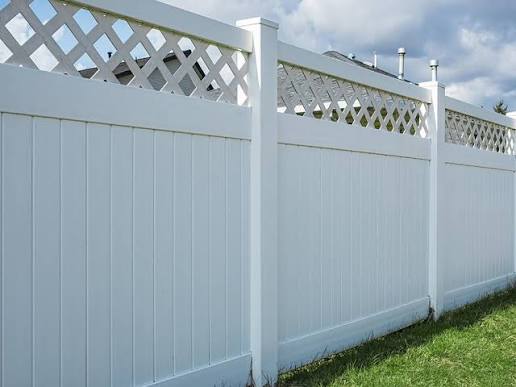
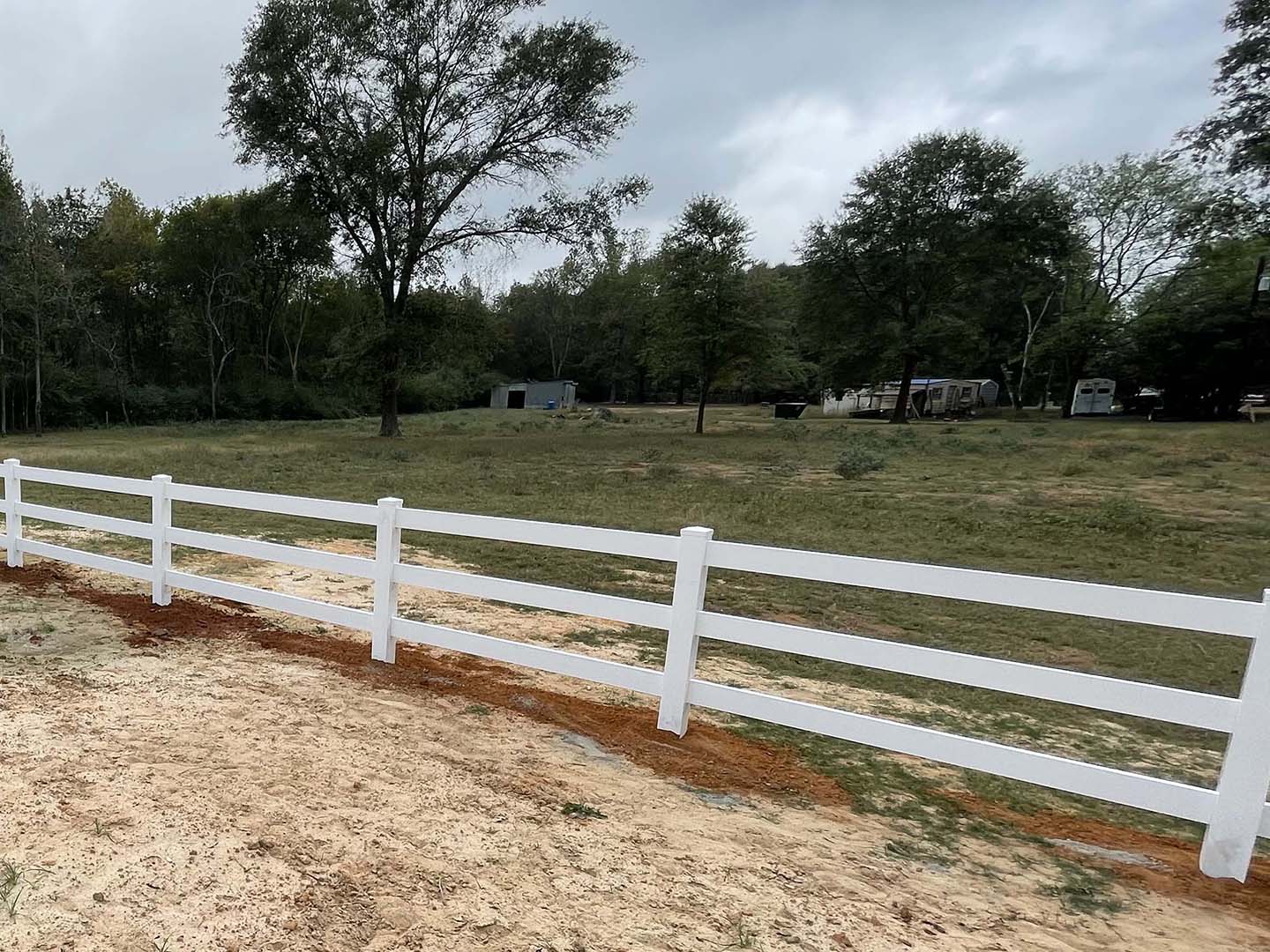
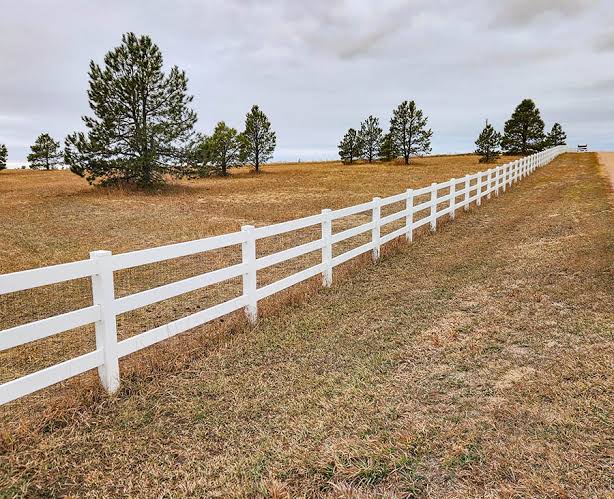
Vinyl fences are recognized for their durability, low maintenance, and resistance to rot, decay, and pests. They come in a variety of styles, colors, and textures, making them a convenient choice for homeowners who want an attractive fence without the need for regular painting or staining.
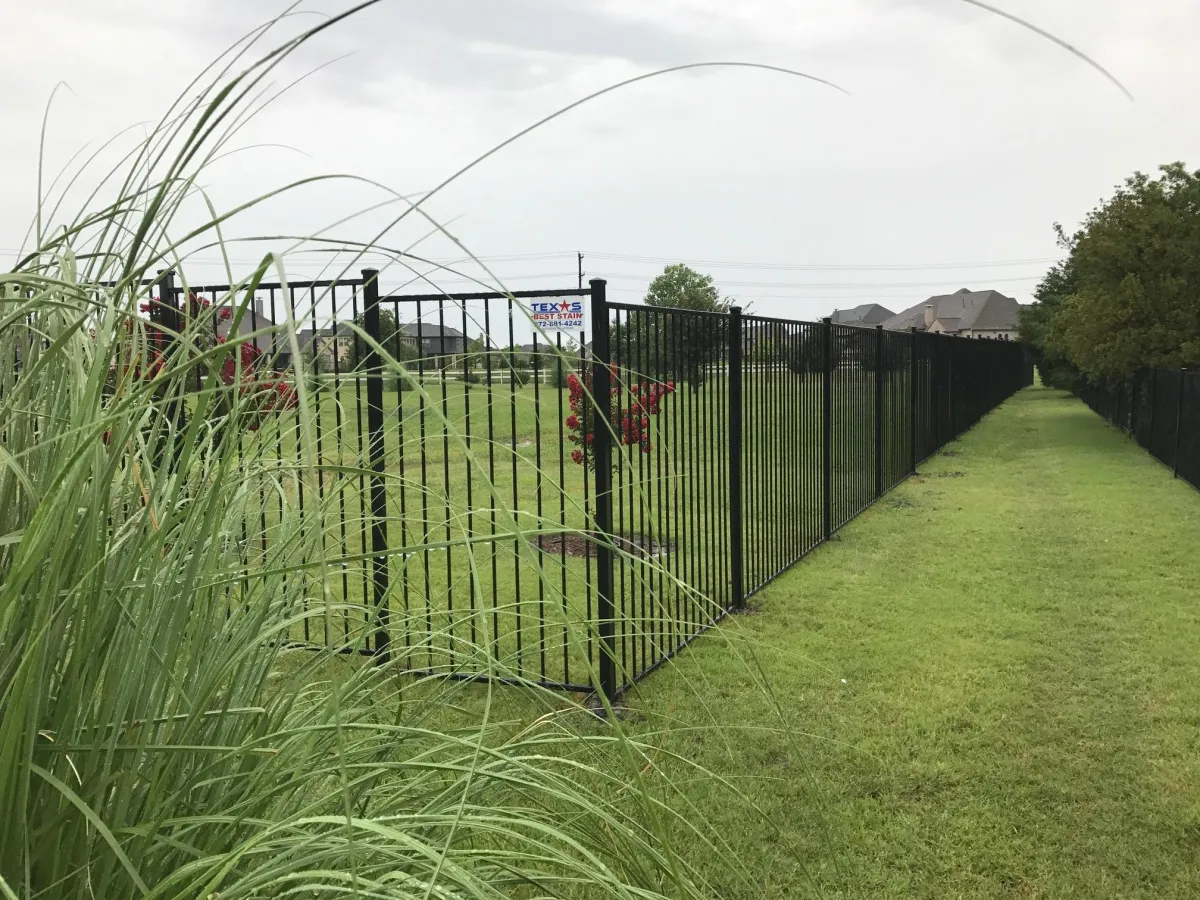
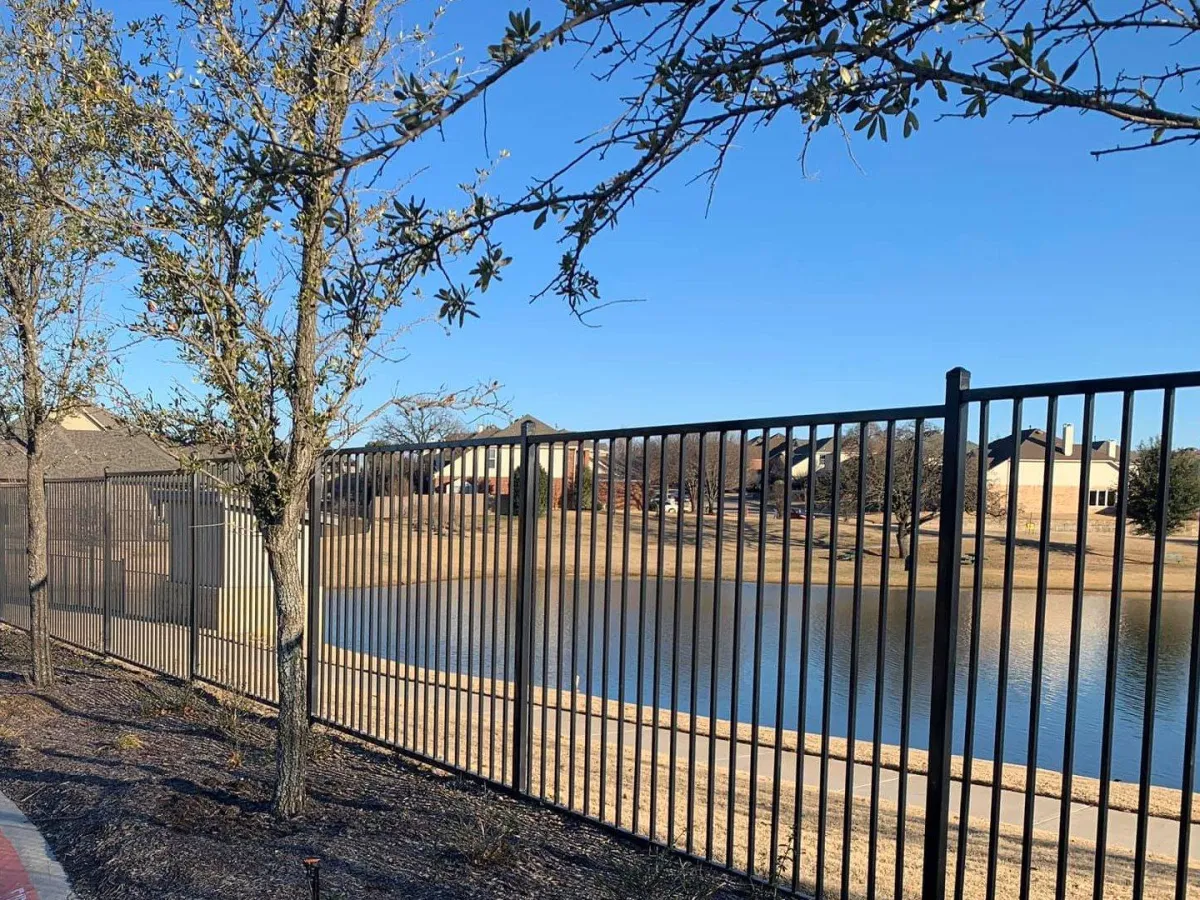
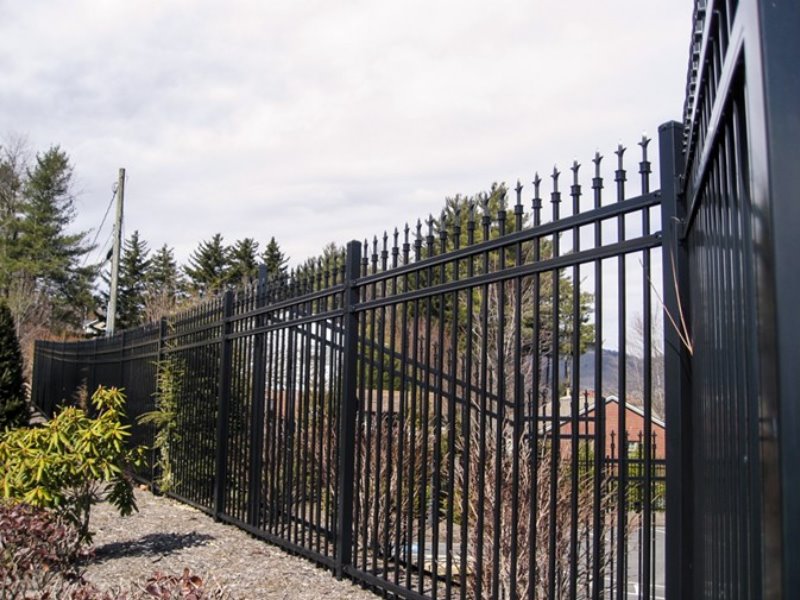
Metal fences, including steel, aluminum, and wrought iron options, provide strength and excellent security. Steel and aluminum are commonly selected for their durability and long lifespan, while wrought iron is appreciated for its decorative and sophisticated appearance. These fences offer a durable and customizable solution for both residential and commercial applications.
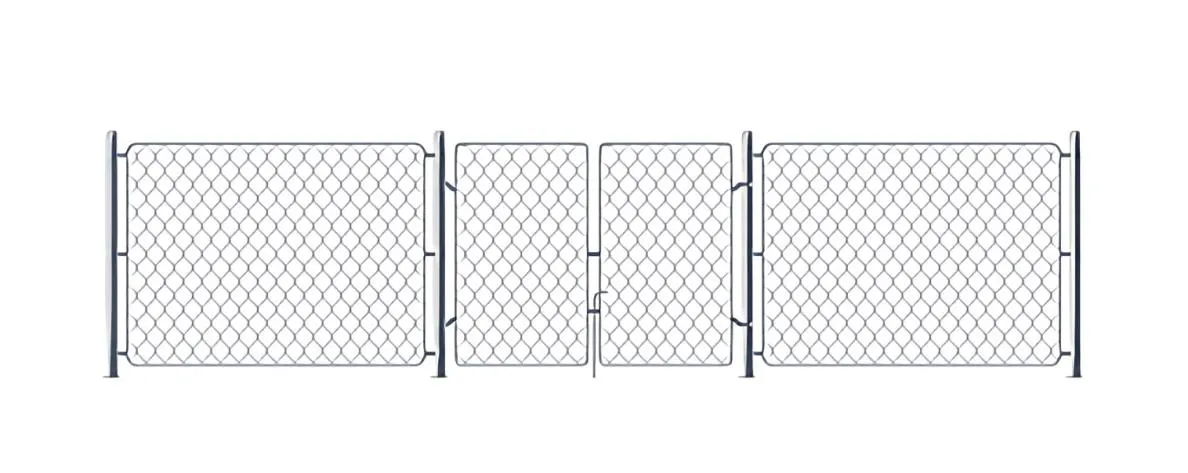
Chain link fences are a cost-effective and functional option made from woven galvanized steel wires. They are commonly used for securing properties, defining boundaries, and enclosing areas such as yards or sports facilities. Vinyl coatings can also be added to chain link fences to enhance their appearance and provide additional color options.
OBTAINING A PERMIT FOR A FENCE
Before installing a fence, begin by reviewing the regulations in your area. Contact your local municipal office, building department, or zoning authority to determine whether a permit is required and to learn about any applicable codes or restrictions. They can provide the specific guidelines for your location.
Before construction starts, it is essential to identify your exact property boundaries. Hiring a surveyor may be necessary to mark the property lines, ensuring your fence is installed entirely within your property and does not extend onto neighboring land or public areas.
Carefully plan your fence design by considering the materials, height, and layout while ensuring it complies with local requirements. Some locations may have specific rules for fences installed in front yards, backyards, or near streets and intersections.
After finalizing your plans, submit a permit application to the appropriate local authority. This typically requires details about your property, fence measurements, materials, and construction methods. A site plan showing the proposed fence location may also be required.
Permit applications may include fees that vary depending on the project size and location. Your local authority will provide information about the required payment amount and accepted payment methods.
Once submitted, your application will be reviewed to confirm that it meets zoning requirements and local fencing regulations. The approval process may take anywhere from a few days to several weeks, depending on the review period.
After approval, you will receive your fence permit. Keep the permit available at the job site during construction in case it needs to be presented to inspectors or local officials. Make sure the installation follows the approved plans and required guidelines.
In some cases, a final inspection may be required after the fence is completed. If necessary, schedule the inspection with the proper department. Once the fence passes inspection, you will receive final approval for the project.
CHOOSING A FENCE MATERIAL
When selecting the right fence material for your property, several important factors should be considered. The following points can help you make a well-informed decision.
Purpose and Function:
Identify the main reason for installing the fence. Are you looking to improve privacy, increase security, define property boundaries, keep children or pets safe, or enhance your home’s appearance? Understanding the primary purpose will help you choose the most suitable material.
Style and Aesthetics:
Consider your home’s architectural style and the overall appearance you want to create. Different materials provide different visual styles, from the natural and traditional look of wood to the modern appearance of metal or vinyl. Select a material that complements your home and surrounding landscape.
Durability and Maintenance:
Think about the amount of maintenance you are willing to perform and the level of durability your fence requires. Materials such as vinyl and aluminum are low-maintenance options that resist rot, insects, and weather damage. While wood fences offer a beautiful natural appearance, they may require regular staining or painting and can be affected by moisture and pests over time.
Climate Considerations:
Consider the weather conditions in your area when choosing a fence material. If your region experiences high humidity, heavy rainfall, or moisture exposure, selecting a material that resists decay and water damage is important. Areas with strong winds or extreme temperatures may require a stronger, more weather-resistant option.
Privacy and Security:
Determine how much privacy and protection you need. Solid materials such as wood, vinyl, and composite fences provide greater privacy, while options like chain link or wrought iron offer visibility and security. Some materials can also be combined to achieve a balance between privacy and openness.
Budget:
Establish a budget for your fencing project and consider both the initial material costs and long-term maintenance expenses. Some materials may have a lower upfront cost, while others may provide greater savings over time due to reduced maintenance needs.
Local Regulations:
Review any local building codes, HOA requirements, or neighborhood guidelines that may affect your fence choice. Restrictions may apply to materials, fence height, placement, or design, so make sure your selection complies with all applicable regulations.
Environmental Impact:
If sustainability is important to you, consider environmentally friendly fencing options. Materials such as bamboo, composite, or reclaimed wood can provide more sustainable alternatives compared to options that require more resources or have a higher environmental impact.
CHOOSING A FENCE DESIGN
When selecting a fence design, there are many styles available to match different needs, preferences, and home designs. The best option for your property will depend on your personal taste, the purpose of the fence, your home’s architecture, and any local requirements or restrictions. Here are some popular fence designs to consider:
Solid Panel Fences
Solid panel fences use continuous sections that provide excellent privacy and security. They are available in materials such as wood, vinyl, and composite, and can be customized with different heights, styles, and decorative features.
Picket Fences
Picket fences are a classic fencing option featuring evenly spaced vertical boards attached to horizontal rails. Commonly made from wood or vinyl, they provide a traditional and charming appearance. They can be designed as shorter decorative fences or taller options for clearer property boundaries.
Lattice Fences
Lattice fences feature crisscrossed panels with diamond-shaped openings that provide partial privacy while allowing airflow and natural light. They add decorative appeal and work well as a support structure for climbing plants.
Shadow Box Fences
Shadow box fences are designed with alternating panels placed on both sides of the rails. This creates a balanced appearance from either side while offering privacy and allowing better airflow.
Horizontal Slat Fences
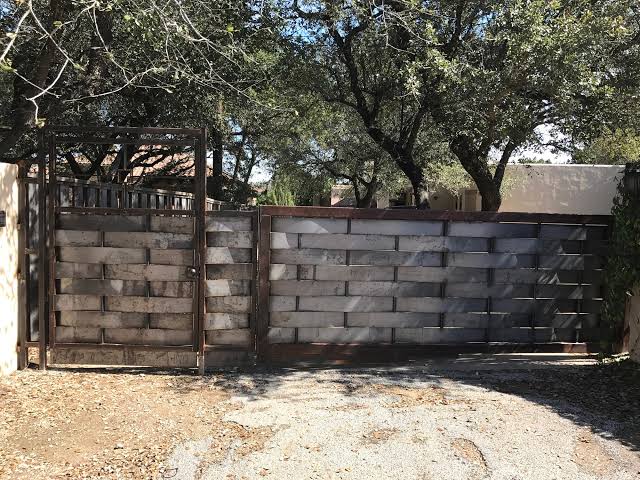
Horizontal slat fences feature boards arranged in a horizontal pattern, creating a clean and modern appearance. Available in materials like wood, composite, or metal, they provide a sleek and contemporary look.
Wrought Iron Fences
Wrought iron fences are known for their decorative and elegant designs, often featuring details such as scrollwork, finials, and custom patterns. They can be tailored to complement traditional, historic, or upscale properties.
Farmhouse or Rustic Fences
Farmhouse and rustic fences typically use wooden posts and rails, sometimes combined with wire mesh or pickets. They are a great choice for rural or country-style properties, offering a warm and traditional appearance.
Modern or Minimalist Fences
Modern fences focus on simple designs, clean lines, and geometric shapes. Often made with materials such as metal, aluminum, or composite, these fences create a sleek and contemporary style that complements modern homes.
REMOVAL OF EXISTING FENCING
We provide safe and efficient fence removal services while considering factors such as the fence type, size, materials, and any unique project requirements. Before starting the removal process, we clear away any surrounding debris or obstacles to create a safe and accessible work area and ensure all necessary tools and equipment are prepared.
If the fence is connected to utility systems, such as electrical wiring or irrigation lines, we safely disconnect them before removal begins. This may involve turning off power or water supplies in the affected areas. The removal process includes taking apart the fence sections and removing the posts, which may require digging them out with a shovel or post hole digger or cutting them down at ground level.
Once each fence component is removed, we separate the materials for proper disposal or recycling. Depending on local guidelines, disposal may require arranging waste pickup or transporting materials to an approved recycling facility. We also remove any remaining nails, screws, or small debris to keep the area safe. After the fence has been fully removed, we restore the space by leveling the ground and improving the appearance of the area where the fence was located.
REPLACEMENT VS. REPAIR
It is important to remember that every fence situation is unique, and the decision to repair or replace a fence depends on your preferences, budget, and the specific condition of your fence. Start by evaluating the extent of the damage. Minor issues such as loose boards, damaged pickets, or small holes can often be repaired without replacing the entire fence. However, if the damage is severe, widespread, or affects the structure of the fence, a full replacement may be a more practical and cost-effective option.
Consider the age and overall condition of your existing fence. If your fence is old, deteriorating, or showing significant signs of wear, repairing individual sections may only provide a temporary solution. It is also important to compare the maintenance requirements of your current fence with those of a new one to determine which option provides better long-term value.
SECURING YOUR PROPERTY WITH FENCING
Installing a fence on your property can greatly enhance security in several ways. It creates a physical barrier that clearly defines your property boundaries while helping control access to your land. With features such as gates, locks, and other security additions, a fence allows you to manage entry points and limit access to designated areas, making it easier to monitor who enters your property.
Privacy-focused fence designs, including tall or solid panel options, can prevent outsiders from easily seeing your property and daily activities. A well-maintained and visible fence can also discourage potential intruders by creating the impression of a secure and properly cared-for property.
Additionally, a fence establishes a safe boundary around your property, providing an enclosed area where children and pets can play without the risk of wandering away or encountering potential dangers. By improving protection, privacy, and safety, a fence can provide greater peace of mind for homeowners.
INCREASING YOUR PROPERTY VALUE AND CURB APPEAL
When selecting a fence to enhance your property’s curb appeal, consider your home’s architectural style, the overall look you want to create, and how well the fence complements your landscaping. Choosing the right material, color, and design that matches your home’s existing features is essential for improving its appearance and creating a cohesive outdoor aesthetic.
EXCEPTIONAL CUSTOMER SERVICE GUARANTEED
By consistently delivering outstanding customer service, we aim to earn your trust and exceed your expectations as your preferred concrete contractor. Our team is prepared to answer your questions, address concerns, recommend the right services, ensure the safety of your property, provide accurate estimates for repairs or new installations, and keep you informed about our scheduled arrival times.
REQUESTING A FREE ESTIMATE
Get a free estimate today for any of our fencing services in Blanco. Our experienced team understands the unique needs of single-family homes, multi-family properties, townhouses, and condominiums. We are ready to assist with new construction projects as well as fencing needs for both older and modern properties.
FENCING CONTRACTOR VS. GENERAL CONTRACTOR
Choosing a fence specialist instead of a general contractor provides several advantages for fence-related projects. Our team focuses specifically on fence design, installation, and repair, giving us extensive knowledge of different materials, styles, and construction methods. This specialized experience allows us to provide expert recommendations, customized solutions, and quality workmanship for every project.
We also understand local regulations, zoning requirements, and permit guidelines associated with fence installation. By ensuring your project follows all applicable rules, we help prevent potential issues, delays, or fines caused by non-compliant work.
Additionally, we create personalized fencing solutions based on your specific needs, preferences, and budget.
Our efficient installation and repair process helps reduce disruptions to your property and routine. With access to trusted suppliers and high-quality materials, we can help you choose fencing options that provide the right balance of durability, appearance, and value—making us the right choice for your next fence project.
MARKING OF BOUNDARIES AND UTILITIES
Prior to building a fence, it is essential to ascertain the exact boundaries of your property. We will help ensure that a new fence is constructed inside the boundaries of your property and does not encroach on neighboring properties or public space. Additionally, we will inform you of any utilities that could impede our operation and develop a plan to avoid any disruptions.
FENCE DESIGN AND CONSULTATION
Our fence experts can offer customized solutions based on your unique needs and preferences. We will provide customized recommendations for the types, styles, and features of your fence after assessing your property and learning about your needs. Our expertise allows us to offer suitable solutions that satisfy your needs in terms of aesthetics, security, and budget, among other aspects.
FENCE GATE INSTALLATION
We follow local rules and ordinances while installing fence gates, which may include requirements for setbacks, gate height, and safety features. From planning and design to testing and tweaking, our fence installation experts will guarantee that your new fence gate is safe and functional.
FENCE MAINTENANCE
Like any outdoor structure, fences need regular maintenance to maintain their durability, performance, and appearance. The required care will vary depending on the type of fencing material. Regular cleaning is recommended to remove dirt, dust, debris, and organic buildup such as moss or algae. Use water, mild detergent, and a soft brush to clean the surface effectively. Routine inspections should also be performed to identify issues such as loose boards, damaged pickets, rusted components, or unstable fence posts. Keeping the fence properly aligned and addressing problems quickly can help prevent further damage and extend its lifespan.
Wood fences may require occasional staining or painting to protect against moisture, sunlight, and weather exposure. Metal fences, including steel and wrought iron, should be maintained to prevent rust by applying protective coatings or metal-specific paint. Inspect for rust regularly, remove affected areas, and apply touch-up paint as needed. Moving parts such as gate hinges and locks should be lubricated periodically to ensure smooth operation. Keep vegetation, vines, and shrubs trimmed away from the fence to prevent pressure or damage. For wooden fences, regular checks for pests like termites or carpenter ants are also important to protect the structure.
FENCING CONTRACTOR CREDENTIALS
As experienced fence contractors, we have the skills, knowledge, and expertise required to properly design, construct, install, and repair fences. We are fully licensed and insured, with years of experience managing various fencing projects and overcoming different challenges. Our team is familiar with local regulations, building codes, and permit requirements associated with fence installation.
We have extensive knowledge of fencing materials and products, combined with strong design and planning abilities. When building a fence that is both durable and visually appealing, we focus on quality craftsmanship and pay close attention to every detail throughout the process.
As your local fence contractor, we are dedicated to providing outstanding customer service, backed by workmanship guarantees and continued support even after your project has been completed.
THE CHALLENGE OF DIY FENCING
Although many DIY homeowners successfully build their own fences, it is important to consider the challenges and possible risks before taking on the project. Without the right skills and experience, it can be difficult to ensure the fence is properly aligned, stable, and built to last. Selecting the wrong materials may also create future issues with durability, maintenance, and overall performance.
Accurate measurements are essential when installing a fence, and mistakes can result in an uneven or improperly positioned structure. Difficult terrain or poor soil conditions can also make installation more challenging, especially when securing posts and creating a strong foundation.
One common issue with DIY fence projects is failing to follow local building codes or permit requirements, which may lead to costly corrections or even removal of the fence. Additionally, not using proper safety practices when working with heavy materials and power tools can increase the risk of accidents and injuries.
INCREASING CURB APPEAL WITH FENCING
A well-kept and aesthetically pleasing fence can increase the overall value of a property. The presence of a fence can increase the perceived value of the house because it is often considered a desirable feature by appraisers or prospective purchasers. Additionally, a well-built fence can increase the perceived security of a property, which is often considered a desirable feature.
MOST COST-FRIENDLY TYPE OF FENCING
The most affordable fence material can vary depending on factors such as your location, available materials, and current market prices. However, some fencing options are generally more budget-friendly than others. Chain link fencing is often considered one of the least expensive choices. Made from woven steel wires and typically installed with metal posts, chain link fences provide basic security, define property boundaries, and help keep pets safely contained. They are durable, low-maintenance, and long-lasting, although they may provide limited privacy compared to other fence options.
FENCING FOR PRIVACY NEEDS
Certain fence designs are better suited for creating a secluded and private outdoor space in terms of seclusion. We suggest erecting strong wood fences that completely block the view from the outside and choosing a fence height that conforms with local regulations. Low-maintenance vinyl or metal privacy fences can also be installed by us. One option for a private, exotic touch is a bamboo fence with canes or stalks.
HOW TO CHOOSE A FENCE MATERIAL
Choosing the right fence material involves considering several important factors, including the fence’s purpose, style, cost, maintenance requirements, and local regulations. Start by determining the primary reason for installing the fence, whether it is to improve privacy, increase security, keep pets or children safe, or enhance the appearance of your property.
Consider the design and aesthetic you want to achieve, and select a material that complements your home’s architecture while improving curb appeal. Evaluate the durability, expected lifespan, and maintenance needs of each material to find an option that fits your long-term expectations.
Set a realistic budget for your fencing project and choose materials that provide the right balance between quality and affordability. Make sure to check local building codes, HOA requirements, and other regulations that may affect approved materials, fence height, or design choices.
Lastly, consider your area’s climate and weather conditions when selecting a fence material to ensure it can withstand the environment. If possible, explore eco-friendly options that offer durability while helping reduce environmental impact.
TYPES OF WOOD FOR FENCING
Several types of wood are commonly used for fence construction, with the best choice depending on factors such as durability, appearance, availability, and budget.
Cedar is a popular fencing material because of its natural resistance to rot, insects, and decay. It has a beautiful reddish-brown tone and straight grain pattern, making it valued for both its appearance and long-lasting performance. Redwood is another premium option known for its natural resistance to pests and moisture. With its distinctive reddish-brown color and attractive grain, redwood offers excellent stability, durability, and visual appeal. Both cedar and redwood typically require less maintenance compared to other wood types.
Pine is an affordable and widely available option for fencing. Since it is softer than cedar or redwood, it can be more prone to dents and scratches. Regular maintenance, such as sealing or painting, is usually needed to protect pine from moisture, rot, and decay. Spruce is another cost-effective choice that features a light color and straight grain appearance. Similar to pine, spruce requires periodic staining or painting to maintain its condition and protect against weather damage.
Cypress is a durable wood option with natural resistance to rot and insects. It has a light yellow-brown color that naturally fades to a silver-gray appearance over time. Cypress can be left unfinished to showcase its natural beauty or stained for added protection, while requiring relatively little maintenance.
Oak is a strong and durable fencing material known for its distinctive grain and long lifespan. Although it is generally more expensive than other wood options, oak provides excellent strength and durability. It can be left natural or stained, but it may require more maintenance to preserve its appearance and performance over time.
FENCING FOR ALL TYPES OF PROPERTY
We can repair and construct fences on a range of property types in and around Blanco, regardless of their size. Both new and older homes, as well as residences that have already been built, are common projects for our expertise. Regardless of the size of your property or the amount of installation or maintenance work that needs to be done, we can assist you in finding a solution that meets your goals and budget.
EXCEPTIONAL CUSTOMER SERVICE
As your trusted concrete contractor, our goal is to earn your confidence and exceed your expectations on every project. We are committed to providing Blanco homeowners with exceptional service by answering your questions, offering professional guidance, ensuring the safety of every repair and installation, providing accurate estimates for materials and labor, and keeping you updated on our team’s arrival time. Our dedication to quality workmanship and customer care remains consistent throughout every project we complete.
FREE FENCING ESTIMATES
We are glad you chose us for your concrete installation and repair needs. Let us know how we can help you achieve your goals and bring your vision for your Blanco home and property to life. A concrete specialist will reach out to schedule your free estimate and discuss the services that best fit your project.
GIVE US FEEDBACK
The valuable feedback we receive from Blanco homeowners like you helps us continue improving our services. If you have any comments or suggestions about the fence installation or repair work we completed at your property, please feel free to reach out to us. We appreciate your input and use it to provide better experiences for our customers.
SHARE A RECOMMENDATION
We truly appreciate your positive reviews on review platforms and social media. When other Blanco residents begin looking for reliable local concrete services, sharing your experience with our team and the results of your installation or repair project can help guide them toward making a confident decision.
OUR PROMISE TO HOMEOWNERS IN BLANCO
As your local fence builder, we are committed to understanding your needs, addressing any concerns, and providing clear information about your project’s scope, cost, and expected timeline. Our dedication to being responsive, respectful, and transparent throughout the process reflects our commitment to delivering exceptional customer service.
BLANCO FENCE CONTRACTORS |
BLANCO, texas
Testimonials
Because of valuable feedback from Jupiter residents like you, we can continue to improve our services. Please contact us immediately if you have any feedback on the specific concrete repair or installation project that we completed at your home. Your positive feedback on social media and review sites is much appreciated. Letting your neighbors know about your interaction with our professionals and the results of the repairs or installation is a valuable resource for other Jupiter residents when they begin looking for local concrete services.


John doe

Lorem ipsum dolor sit amet, consectetur adipiscing elit, sed do eiusmod tempor incididunt ut labore et dolore magna aliqua. Ut enim ad minim veniam.

John doe
Lorem ipsum dolor sit amet, consectetur adipiscing elit, sed do eiusmod tempor incididunt ut labore et dolore magna aliqua. Ut enim ad minim veniam.

John doe
Lorem ipsum dolor sit amet, consectetur adipiscing elit, sed do eiusmod tempor incididunt ut labore et dolore magna aliqua. Ut enim ad minim veniam.